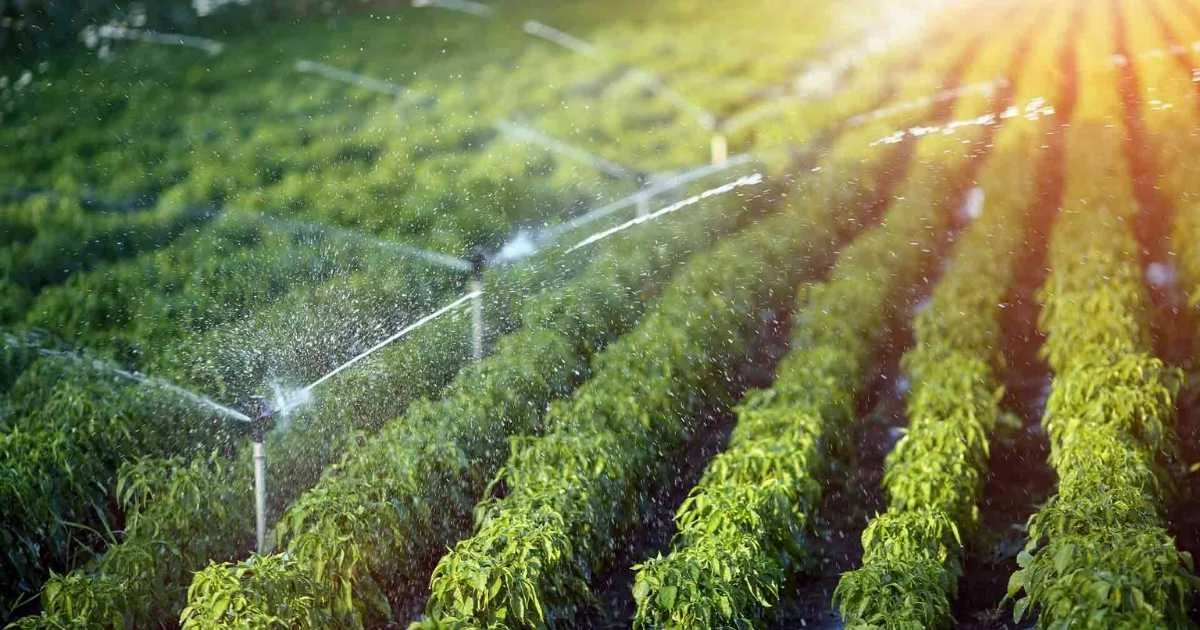
A well-designed irrigation system works like a tuned machine. Every sprinkler, valve, and pipe plays its part to keep your lawn evenly watered. When everything flows right, you get healthy grass, lower bills, and less time spent fixing dry spots. But before planning your setup, the real question comes up: how much does an irrigation system cost?
On average, a complete irrigation system costs between $1,800 and $4,000, depending on your yard size and setup type. Basic in-ground systems cover standard lawns, while smart, weather-based models offer automation and higher precision.
At Wise Water Works, we bring over 30 years of hands-on experience to every installation. We use proper pipe sizing, accurate pressure control, and durable materials made for Texas conditions. An irrigation system that runs smoothly, saves water, and keeps your lawn looking perfect year after year.
How Much Does An Irrigation System Cost
An irrigation system usually costs between $1,800 and $4,000 for a standard residential lawn. Smaller yards with simple layouts can start near $1,200, whereas larger or complex properties can climb toward $6,000–$10,000.
These prices include everything from trenching and piping to valves, sprinkler heads, and controllers. Labor alone often makes up 40–50% of the total.
As you scale up with smart controllers or high-efficiency nozzles, costs rise – but so does precision. You get tighter control, reduced water loss, and smoother system performance over time.
Cost Breakdown by System Type
Irrigation systems differ in design, pressure range, and control precision. Each type uses distinct hardware and flow mechanics, which drive cost. Here’s a comprehensive breakdown of common system types and their typical pricing ranges.
| System Type | Average Cost Range (USD) | Technical Summary |
| In-Ground Sprinkler System | $2,000 – $6,000 | Uses buried PVC or polyethylene pipes with pop-up rotor or spray heads. Operates between 30–50 PSI. Offers uniform water delivery across wide turf areas. Common for full lawns and athletic fields. |
| Drip Irrigation System | $800 – $2,000 | Runs low-pressure tubing (10–30 PSI) with emitters spaced along lines. Delivers water directly to plant roots. Reduces runoff and evaporation losses. Ideal for beds, hedges, and planters. |
| Soaker Hose System | $400 – $1,000 | Uses porous hoses that release water gradually along their length. Works at low flow rates around 0.5 GPM per 50 ft. Simple and efficient for smaller gardens or narrow beds. |
| Rotor Sprinkler System | $2,500 – $5,500 | Employs rotating nozzles producing 20–70 ft throw radius. Handles higher PSI (40–70). Best for large, open lawns requiring high distribution uniformity. |
| Micro-Spray System | $700 – $1,500 | Utilizes micro-nozzles on risers delivering fine spray at 10–25 PSI. Covers small zones like flowerbeds or vegetable rows with gentle application. |
| Smart Irrigation System (Wi-Fi / Weather-Based) | $2,500 – $7,500 | Integrates flow sensors, moisture probes, and weather-linked controllers. Adjusts irrigation dynamically using evapotranspiration data. Provides zone diagnostics and remote scheduling via app interface. |
Cost per Acre or per Zone
Irrigation costs rise as your lawn expands and more zones come into play. Each zone manages a set of sprinkler heads through its own control valve. As you add zones, you add more valves, wiring, trenching, and labor.
That’s why system pricing depends on how many independent watering areas you design. The table below shows realistic cost ranges by acreage and zone count so you can plan your budget with clarity.
| Coverage Area / Zone Count | Average Cost Range (USD) | Technical Summary |
| ¼ Acre (≈10,900 sq ft) | $2,000 – $4,000 | Typically 4–6 zones with rotor heads and 200–300 ft of piping. Balanced for standard residential lawns. |
| ½ Acre (≈21,800 sq ft) | $4,000 – $7,000 | Uses 6–9 zones. Requires larger mainlines and multi-valve manifolds for stable pressure. |
| 1 Acre (≈43,560 sq ft) | $7,000 – $12,000 | Built with 10–14 zones. Includes regulator valves and controller expansion for flow balance. |
| 2 Acres or More | $12,000 – $20,000+ | High-volume setup with 15+ zones, booster pumps, and dedicated irrigation mains. |
| Per-Zone Estimate | $500 – $1,000 per zone | Each zone adds one valve, several heads, and about 100 ft of piping. |
| Per-Zone Estimate | $500 – $1,000 per zone | Each zone adds one electric valve, wiring, 3–6 sprinkler heads, and about 100 ft of piping. Labor complexity and terrain conditions can shift cost per zone by ±15%. |
5 Major Factors Affecting Irrigation System Installation Cost
When you plan an irrigation system, the cost isn’t random. It’s shaped by how your property behaves. Every lawn, soil type, and water source creates a different technical challenge. Understanding these factors lets you predict where your money actually goes.
1. Soil Type (Clay, Sand, Rocky Terrain)
Soil texture controls both how water moves and how hard installation becomes. If your soil is clay-heavy, water absorption slows down. That means your system needs wider spacing and lower precipitation nozzles to prevent surface pooling. On the other hand, sandy soil drains fast, so you’ll need tighter head spacing and higher flow rates to maintain coverage.
2. Lawn Size and Shape
The shape of your lawn affects both material use and zoning layout. A simple rectangle keeps trenching straight and short, cutting down on fittings and labor hours. But when your lawn has curves, narrow sections, or multiple islands of turf, installers must reroute pipes and add more valves. As your yard expands, you also move into multi-zone setups, which require larger controllers with additional station modules.
3. Water Pressure and Supply Line Location
Your water pressure sets the backbone of the entire design. Most systems work best between 30 and 70 PSI. When pressure drops below that range, the heads won’t reach their throw radius, and coverage gaps appear.
In that case, a booster pump or larger diameter mainline compensates for the loss. If your supply line sits far from the irrigation area, extra trenching and materials raise the cost.
4. Permits or Backflow Preventer Requirements
Every irrigation system connects to your home’s main water line, which introduces risk of contamination. To stop reverse flow, plumbing codes require backflow prevention devices, usually pressure vacuum breakers (PVB) or reduced pressure zone assemblies (RPZ). If you’re in a regulated zone, you’ll need a permit and inspection from a licensed professional.
5. Labor Rates in Texas Cities
In larger cities, licensed irrigation contractors often charge more because of stricter code compliance and higher overhead. In smaller towns, rates drop, but finding experienced crews can take longer. The more complex your yard, like rocky soil, automation wiring, or trenchless routing, the higher the labor intensity. Each added step raises total hours, which directly impacts your bottom line.
Professional Installation vs. DIY: Which Option Saves You More?
Installing an irrigation system looks simple until you factor in hydraulics, zoning, and control wiring. The real difference isn’t just money. It’s precision, durability, and long-term performance.
Professional Installation
A licensed contractor delivers a calibrated system that performs efficiently for years. They measure PSI, flow rate, and precipitation rate before trenching. Every head, valve, and controller is matched to your soil and layout.
You get consistent water pressure, balanced zones, and warranty-backed workmanship. Though the upfront cost is higher, you save money later through fewer leaks, lower water bills, and minimal maintenance.
DIY Installation
DIY kits promise savings but often miss the science behind irrigation design. Incorrect pipe sizing, poor head spacing, or shallow trenching cause uneven watering and frequent breakdowns. You might spend less at first but more on repairs, wasted water, and replacements. Without technical calibration, even small mistakes reduce efficiency and shorten system life.
How to Choose the Right Irrigation Contractor in Texas?
A qualified installer designs with precision, calibrates pressure, and configures zones to match soil and plant needs. The right choice gives you long-term efficiency and minimal maintenance issues.
1. Licensing and Certification
Texas law requires irrigation contractors to hold a TCEQ Irrigator License. This license confirms training in hydraulics, backflow prevention, and system design.
Always verify license numbers through the Texas Commission on Environmental Quality’s database. Licensed contractors can legally connect to potable water lines and install RPZ assemblies.
2. Experience and Design Knowledge
A skilled contractor measure flow rate, static pressure, and precipitation rate before layout planning. Look for professionals familiar with zone balancing, valve grouping, and controller programming. Ask for past layouts or as-built drawings to gauge design quality and consistency.
3. Use of Quality Components
Contractors often choose between major brands like Rain Bird, Hunter, Toro, or Irritrol. Experienced installers match head type to pressure range and soil texture. For example, rotor heads fit large lawns, while pressure-regulated sprays fit tighter areas. Request a full component list to verify material grade and warranty coverage.
4. Transparent Bidding and Cost Breakdown
Reliable contractors present clear quotes with line-item pricing, covering valves, heads, piping, trenching, and controller setup. Avoid lump-sum bids without details. Compare bids side by side for material type, zone count, and automation options. A transparent estimate lets you spot hidden labor markups early.
5. Warranty and Post-Installation Service
Professionals stand behind their work with 1–2 year warranties covering leaks, control wiring, and valve performance. Ask about seasonal tune-ups, pressure testing, and winterization services. Ongoing service agreements protect your investment by keeping system efficiency stable year-round.
Pro Tips to Reduce Installation Costs
Lowering your irrigation installation cost starts with smarter choices, not shortcuts. Each step below directly cuts waste, labor hours, or material overhead without hurting performance.
- Design your layout around natural zones so each valve handles similar soil and sunlight conditions.
- Choose efficient nozzles that deliver the same coverage with lower flow rates and less water loss.
- Schedule installation in off-season months when contractor demand drops and labor costs fall.
- Pick PVC piping for buried mainlines since it lasts longer and needs fewer replacements over time.
- Map out utilities and sprinkler positions before digging to prevent trenching delays or accidental damage.
- Skip high-end automation at first and upgrade later once the system’s coverage is fully verified.
- Ask for detailed, itemized quotes to compare real material and labor costs before signing any contract.
In Closing
A smart irrigation system turns water into precision. It saves time, cuts waste, and keeps your lawn healthy without constant adjustment. Understanding costs helps you plan right and invest in a system built to last.
For expert design, installation, and maintenance, connect with Wise Water Works. We are your local irrigation specialists with over 30 years of proven experience in delivering efficient, durable systems that make every drop count.
Frequently Asked Questions
Question: How long does it take to install an irrigation system?
Answer: Most residential systems take one to three days, depending on lawn size and soil conditions. Larger projects can extend to a week, covering trenching, pipe installation, wiring, and full system calibration.
Question: How often should I maintain my irrigation system?
Answer: A yearly inspection keeps your system performing at peak efficiency. Maintenance includes cleaning heads, checking valves, testing pressure, and fine-tuning the controller to prevent leaks or uneven watering.
Question: Can an irrigation system be installed on an existing lawn?
Answer: Yes, it can. Modern trenching tools allow installation with minimal surface disruption. Trenches are narrow, and lawns typically recover within two to three weeks after the job is completed.
Question: Do irrigation systems increase property value?
Answer: Yes, they do. A professionally installed system improves curb appeal and shows potential buyers that your property is well-maintained, adding long-term value and visual impact.
Question: What’s the average lifespan of an irrigation system?
Answer: Most systems last 15 to 25 years with regular care. While controllers and heads may need periodic replacement, durable PVC or polyethylene mainlines can perform efficiently for decades.