
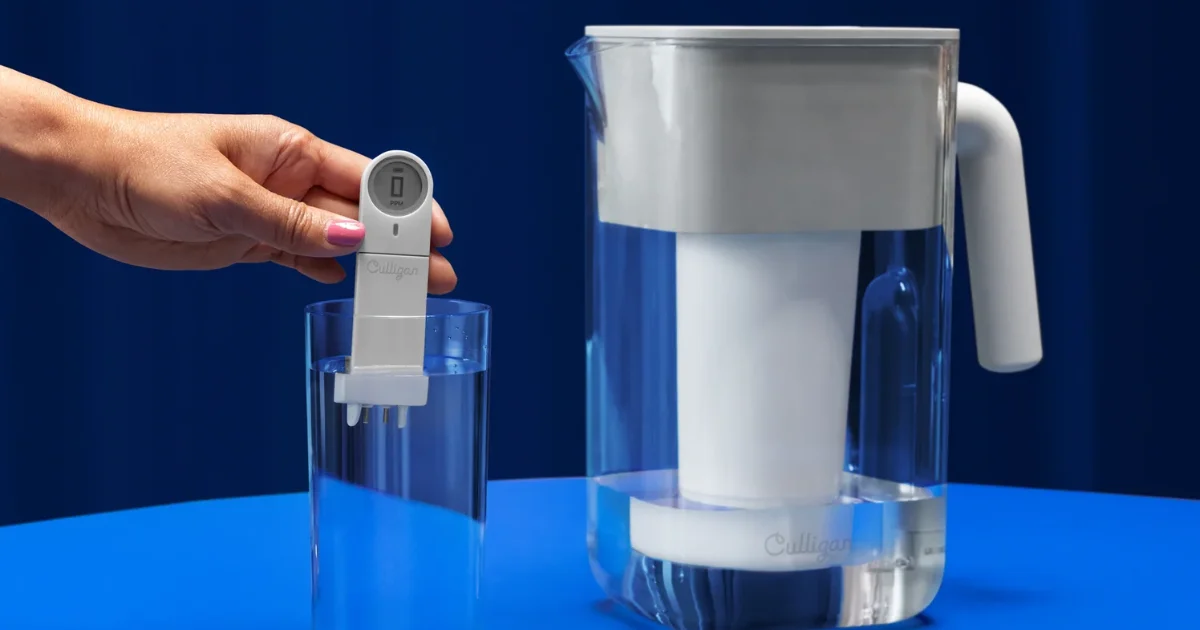
Copper in drinking water often comes from household plumbing, and high levels can cause serious health and plumbing issues. ZeroWater’s advanced five-stage ion-exchange system is designed to tackle this problem directly.
Independent tests confirm it removes up to 99.9% of copper and other dissolved solids. ZeroWater delivers clean, clear, and better-tasting water by reducing metals, chlorine, and contaminants. Its built-in TDS meter lets you measure performance in real time and ensures that your water is safe.
At Wise Water Works, we bring long years of experience in water solutions. From installing efficient sprinkler systems to offering advanced whole-home filtration, we deliver dependable service across Houston and surrounding areas.
How ZeroWater Filtration Works?
If your tap water contains metals, has a strange taste, or leaves a cloudy residue, ZeroWater fixes this with a precise five-stage process.
1. Sediment Screen
The first layer traps dirt, sand, and rust flakes from old pipes. These particles are too big to drink but small enough to pass untreated in unfiltered water. Catching them first protects the rest of the system.
2. Foam Distributor
The second layer spreads water across the filter surface. Without this step, water could cut paths through the filter and avoid treatment. Even distribution guarantees every drop passes through the next stages.
3. Activated Carbon and Oxidation Reduction
This stage absorbs chlorine, pesticides, and volatile organic compounds. Activated carbon’s porous surface pulls these chemicals out of the water. Oxidation reactions break down stubborn molecules, removing odors and chemical taste.
4. Ion Exchange Resin
Here, dissolved metals like copper, lead, and chromium are removed. The resin exchanges harmful positive ions for safer ones like hydrogen. Copper ions stick to the resin and stay locked away, leaving your water free of metal contamination.
5. Ultra-Fine Mesh and Final Layer
The last barrier strains out microscopic solids and smooths water clarity. At this point, almost all dissolved solids are gone. What you drink is close to laboratory-grade purity, with a clean and crisp taste.
What is Copper in Water?
Copper is a natural metal found in soil, rock, water, and sediment. Pure copper looks red-orange but turns blue-green when exposed to air and moisture. People have used it for centuries to make alloys like brass and bronze.
It remains common in coins, wiring, and plumbing materials such as household pipes and fixtures. Copper enters drinking water mainly through pipe corrosion. Water picks up copper as it leaches from pipes, fittings, and faucets. Levels vary based on mineral content, how long water stays in pipes, the temperature, and the acidity of the water.
What Is The Health Effect Of Copper In Water?
Copper in water can be both necessary and harmful, depending on the amount and duration of exposure.
1. Essential Nutrient Role
Your body needs copper to function properly. It plays a key role in producing energy, forming red blood cells, and developing brain and heart tissue. It also supports your immune response and pigmentation. The FDA suggests about 2 milligrams per day for adults.
2. Potential Antibacterial Properties
Copper can kill bacteria through direct contact. Studies show storing water in copper vessels for 16 to 24 hours destroys dangerous organisms like E. coli, Salmonella, and Vibrio cholerae. This process damages bacterial cell walls, causing them to break down.
3. Short-Term Exposure Risks
Drinking water with high copper levels irritates the stomach and intestines. Common reactions include nausea, cramps, and diarrhea. In severe cases, it can trigger vomiting within hours. These effects appear quickly and signal that copper levels in your supply are too high.
4. Long-Term Exposure Risks
Extended exposure to copper-contaminated water can injure vital organs. The liver and kidneys are most at risk because they store and filter metals. Over time, high copper levels increase the risk of organ failure. Infants and individuals with Wilson’s disease face greater danger since their bodies cannot regulate copper effectively.
5. Misleading Claims
Many promoters advertise copper water for weight loss, anti-aging, and better skin. These claims lack credible scientific proof. The real benefit of copper comes from its normal biological role, not from drinking large amounts of water.
Does ZeroWater Filter Copper From The Water?
Yes. ZeroWater removes almost all copper from your tap water. Its five-stage ion-exchange filter is stronger than basic two-stage filters. Independent lab testing shows it removes 99.9% of copper.
The tests followed NSF and ANSI drinking water standards and used 150 liters, double the normal volume. Another test reported a 97% reduction, lowering copper to only 0.0047 ppm. In every verified result, water leaves the filter with almost no measurable copper.
This makes it effective for homes where plumbing or local supply might release even small amounts of the metal.
How Much Copper Is Dangerous In Drinking Water?
Copper is an essential mineral, but too much in drinking water becomes harmful. The U.S. Environmental Protection Agency sets the action level at 1.3 milligrams per liter (mg/L). Water above this level requires treatment to reduce exposure.
Short-term intake of high copper causes nausea, vomiting, diarrhea, and stomach cramps. Long-term exposure may damage the liver and kidneys, and severe poisoning can lead to anemia.
People with genetic conditions such as Wilson’s or Menke’s disease face higher risks because their bodies cannot process copper properly. For the general population, the recommended daily intake from food is about 2–3 mg.
Is Removing Copper from Water a Good Thing?
Yes. Removing copper from your drinking water improves both quality and safety. Even trace levels change how your water tastes, looks, and behaves at home.
- Improved Taste: You notice a metallic or bitter flavor when copper is present. Removing it gives you clean, neutral-tasting water.
- Better Appearance: Blue-green stains on your sinks and fixtures often come from copper. Without it, you keep your surfaces clear.
- Health Protection: Too much copper upsets your stomach and can strain your liver or kidneys. Clean water spares you from that risk.
- Plumbing Protection: Copper-free water slows corrosion inside your pipes. That saves you from damage and buildup over time.
- Consistent Quality: With copper removed, you get safe, reliable water every day without unpleasant surprises.
How Long Does A Zerowater Filter Last If My Water Has Copper Pipes?
ZeroWater filters are rated for about 40 gallons of use, which is equivalent to roughly three to four months. In reality, lifespan depends on your water’s total dissolved solids (TDS). Homes with copper plumbing often have higher TDS because metal ions leach into the water.
This shortens the filter’s capacity. Instead of 40 gallons, you may only get 15–25 gallons before replacement is needed if your TDS measures above 200.
The included TDS meter tells you when performance drops. Once the reading rises above 006, the filter is exhausted. At that point, copper and other dissolved solids are no longer being removed.
In Closing
Copper in water is a concern affecting safety and quality at home. ZeroWater’s five-stage system targets dissolved metals and leaves your supply clean and fresh. With proven performance against copper and other contaminants, it offers confidence in every glass you drink.
For broader protection of your water and property, turn to Wise Water Works. Our team provides expert filtration and irrigation services tailored to your needs. Contact us today to secure healthier water and dependable systems for your home.
Frequently Asked Questions
Question: Can copper in water change its taste or smell?
Answer: Yes. Even small amounts of copper give water a metallic taste and sometimes a bitter aftertaste. In higher concentrations, copper may also cause an unpleasant smell and leave blue-green stains on fixtures.
Question: How do I know if my water has copper without lab testing?
Answer: You may notice a metallic taste, bluish stains on sinks, or discoloration on plumbing fixtures. These signs suggest copper is present, but only a certified test or TDS reading confirms the exact level.
Question: Does boiling water remove copper?
Answer: No. Boiling water does not reduce copper or other dissolved metals. In fact, it concentrates them slightly because boiling evaporates water but leaves minerals and metals behind.
Question: How often should ZeroWater filters be replaced in homes with copper pipes?
Answer: If your plumbing leaches copper, filters may last 15–25 gallons instead of the advertised 40. Use the included TDS meter to monitor quality, and replace once readings rise above 006.
Question: Is ZeroWater enough for whole-home copper removal?
Answer: No. ZeroWater pitchers only treat drinking and cooking water. For whole-home protection, you need a point-of-entry system such as a professional filtration or treatment solution installed at the main supply.