
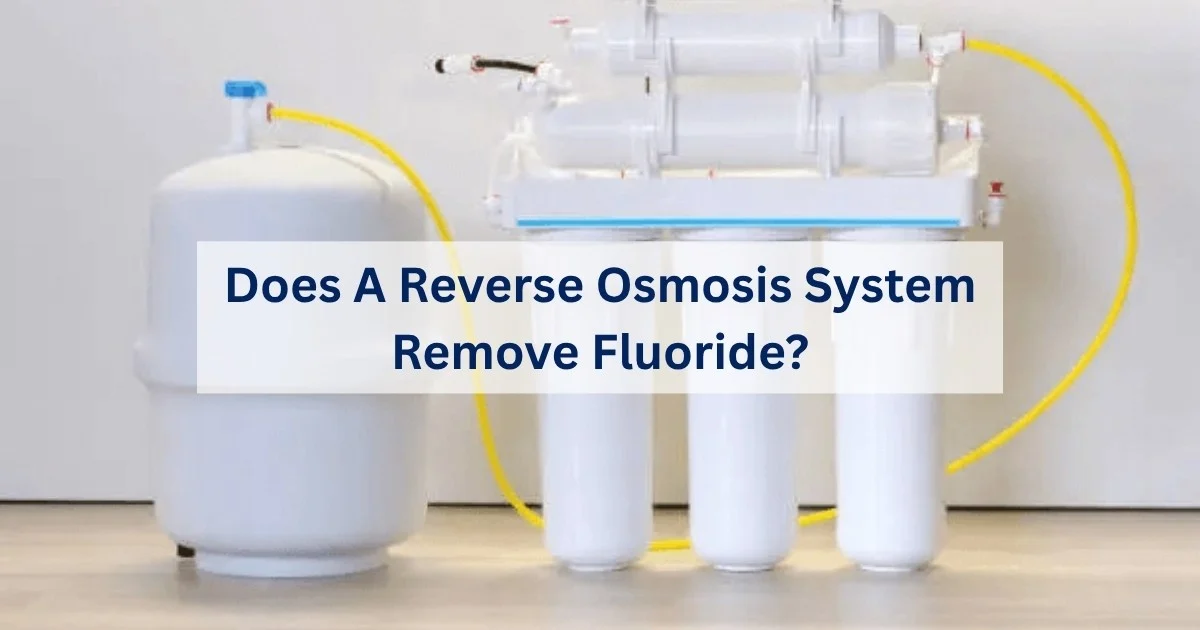
When it comes to your family’s drinking water, clarity matters, both in quality and knowledge. Many cities add fluoride to help reduce tooth decay, and while this is considered safe at regulated levels, more homeowners today want control over what’s in their water. That’s where Reverse Osmosis (RO) filtration stands out.
So, does a reverse osmosis system remove fluoride?
Yes. RO systems force water through a semipermeable membrane that can reduce up to 90% or more of fluoride, along with other dissolved contaminants, improving both purity and taste.
At Wise Water Works, we bring over 30 years of professional experience providing Texas homeowners with high-performance RO and whole-home water treatment solutions. You will have cleaner, fresher, and healthier water right from the tap.
Is Fluoride in Drinking Water Bad?
Fluoride in drinking water at the recommended level (0.7 mg/L) is safe and helps keep teeth strong. It works by strengthening and developing teeth, reducing cavities, and lowering the need for dental treatments in children.
Fluoride also occurs naturally in water, soil, and some foods. Municipal water fluoridation began in the mid-20th century to improve oral health for the community.
Research over the past 50 years shows that communities with fluoridated water have fewer cases of tooth decay. Concerns about toxicity usually involve very high fluoride doses, far above what is in tap water. That is why authorities like the CDC and ADA closely monitor fluoride levels. Overall, controlled fluoride in water provides long-term dental protection and supports healthy teeth safely.
How Much Fluoride Can Reverse Osmosis Remove?
High-quality reverse osmosis (RO) systems can remove 85-99% of fluoride from drinking water, depending on the membrane type, water pressure, and total dissolved solids (TDS) in your water.
Specifically, RO uses a semi-permeable membrane to separate water molecules from fluoride ions. Before reaching the membrane, pre-filters remove sediment and chlorine, protecting system performance.
After filtration, post-filters polish the taste and improve water quality. Moreover, removal efficiency depends on pressure, TDS, pH, and membrane condition. Therefore, certified RO systems tested to NSF/ANSI Standard 58 provide reliable fluoride reduction. This makes RO one of the most effective and consistent methods for controlling fluoride in household drinking water.
How Does A Reverse Osmosis System Remove Fluoride?
A reverse osmosis (RO) system removes fluoride by separating water molecules from dissolved ions, including fluoride, using a multi-stage filtration process. Each stage works together to provide clean, low-fluoride drinking water.
Step 1: Sediment Pre-Filter
The process begins with a sediment filter, which removes large particles like sand, rust, and dirt. By removing these contaminants first, it protects the RO membrane from clogging and ensures long-term efficiency.
Step 2: Carbon Pre-Filter
Next, water passes through a carbon pre-filter. This stage builds on the first by removing chlorine, chloramines, and organic compounds that could damage the membrane, while improving taste and odor.
Step 3: RO Membrane
Then, water enters the semi-permeable RO membrane. After pre-filtration, the membrane effectively blocks fluoride ions, heavy metals, nitrates, and other dissolved solids, allowing only water molecules to pass.
Step 4: Post-Carbon Filter (Polishing Stage)
Following the membrane, water moves through a post-carbon filter. This stage ensures any residual tastes or odors are removed, further improving water quality and flavor.
Step 5: Storage Tank
Filtered water is stored under pressure in a tank. This step connects filtration to availability, providing a steady supply without waiting for real-time filtration.
Step 6: Final Delivery via Faucet
Finally, water reaches a dedicated faucet. After passing through all stages, you receive safe, low-fluoride, great-tasting drinking water directly from your tap.
Is RO Filtered Water Good for Your Health?
Yes, RO filtered water is safe, healthy, and ideal for you and your family. It provides contaminant-free water, so you can drink confidently every day.
An RO system removes fluoride, lead, arsenic, nitrates, chlorine, PFAS, and other impurities that could affect your long-term health. In addition, multi-stage filtration eliminates sediments, chemicals, and microorganisms, giving you cleaner, safer water.
Although some naturally occurring minerals are removed, your diet usually covers these, and many RO systems add them back through remineralization cartridges. As a result, drinking RO water protects you from contaminants, supports hydration, aids digestion, and delivers reliable, high-quality water for your household.
How Can I Select The Right Reverse Osmosis Filter To Remove The Fluoride?
Choosing the right RO system is essential for effective fluoride removal. You need a system designed for your water quality, household demand, and long-term maintenance.
Selecting the right RO system is crucial for reliable fluoride removal. You need a system engineered for your water profile, household demand, and long-term performance.
Verify Fluoride Removal Certification:
Choose a system certified to NSF/ANSI Standard 58. This confirms the RO membrane is independently tested to remove fluoride, arsenic, lead, nitrates, and other dissolved solids with consistent efficiency.
Analyze Water Quality:
Test for fluoride levels, total dissolved solids (TDS), pH, hardness, and chemical contaminants. Precise analysis identifies the required membrane type, pre-filter stages, and flow specifications for optimal performance.
Examine Filtration Stages:
A multi-stage system with sediment pre-filters, activated carbon, RO membrane, and post-carbon polishing ensures comprehensive contaminant removal. Each stage targets specific impurities, protecting membrane lifespan and improving overall fluoride reduction.
Assess Flow Rate and Storage Capacity:
Choose a system that meets your household water demand. Adequate flow rate and tank volume maintain consistent availability of filtered water without pressure drops.
Consider Maintenance and Filter Lifespan:
Review membrane life, cartridge replacement intervals, and ease of maintenance. Proper upkeep preserves filtration efficiency and fluoride removal consistency over time.
Optional Remineralization:
Select systems with remineralization cartridges to restore calcium, magnesium, and other essential minerals. This balances pH, improves taste, and maintains health benefits while retaining effective fluoride reduction.
In Closing
Reverse osmosis is one of the most reliable ways to reduce fluoride and other unwanted contaminants from drinking water. By pushing water through a semipermeable membrane, RO systems deliver cleaner, safer, and better-tasting water, without the guesswork.
Beyond fluoride, they target lead, PFAS, nitrates, chlorine, and more, giving you complete control over your home’s water quality and peace of mind with every sip.
Ready to upgrade your water? Contact Wise Water Works today for a free water consultation and discover the right RO system for your home. Clean water starts here. Trust is built on transparency. Visit our Google Business Profile to read customer reviews and ratings for Wise Water Works.”
Frequently Asked Questions
Question 1: Can I remove fluoride without using reverse osmosis?
Answer: Yes. Fluoride can also be reduced using activated alumina filters or water distillation. However, these alternatives require more maintenance and may not consistently achieve high removal rates. Reverse osmosis is the most reliable and efficient method.
Question 2: Does reverse osmosis remove beneficial minerals?
Answer: Yes. RO filtration removes both contaminants and some naturally occurring minerals like calcium and magnesium. To maintain balanced minerals, choose an RO system with a remineralization stage so the water stays healthy and better-tasting.
Question 3: How often should I replace RO filters?
Answer: Pre-filters and post-filters typically require replacement every 6-12 months. The RO membrane lasts 2-3 years depending on water quality and TDS levels. Proper maintenance ensures consistent fluoride reduction.
Question 4: Does a reverse osmosis system waste water?
Answer: Yes. RO sends rejected contaminants to the drain, which results in some water waste. However, modern RO systems include water-saving or smart-flow technology to increase efficiency and reduce waste significantly.
Question 5: Can an RO system be connected to a refrigerator or ice maker?
Answer: Absolutely. Most RO systems can be connected directly to refrigerators and ice makers using an additional water line, giving you purified drinking water and clearer, better-tasting ice.