
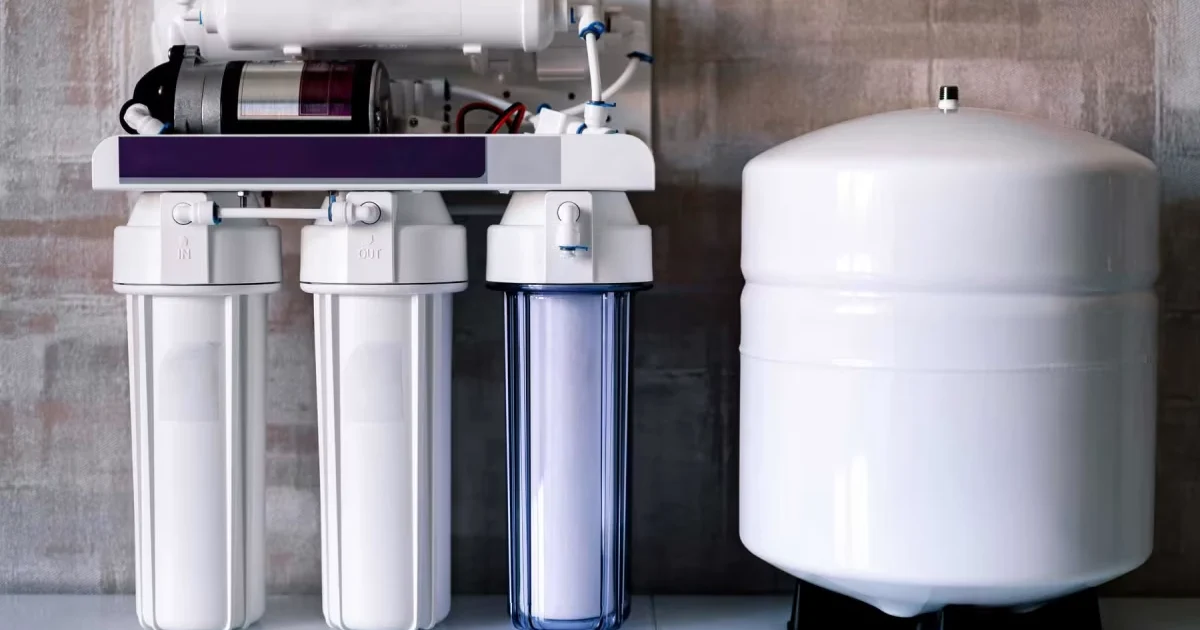
Do you really know what’s in your water every time you turn on the tap? Even treated city water can carry chlorine, sediments, heavy metals, or “forever chemicals” that affect quality. That’s why more homeowners are looking beyond what’s visible and choosing complete protection for their entire supply.
A whole home water filtration system treats every drop at the source, giving you cleaner water for drinking, cooking, bathing, and even laundry. Advanced options like activated carbon, reverse osmosis, and UV purification work together to improve taste, protect appliances, and reduce hidden risks. Curious to see how these systems transform your water?
At Wise Water Works, we design tailored solutions built around your water test results. With premium components, expert installation, and local Houston, Texas expertise, we bring you confidence in every glass and every shower.
What is a Water Filtration System?
A water filtration system is a device or process that removes impurities from your water, improving taste, odor, and safety. It targets contaminants like chlorine, chloramine, lead, arsenic, nitrates, pesticides, and volatile organic compounds (VOCs).
Activated carbon filters absorb chlorine and organic molecules, reducing unpleasant flavor and smell. Ion exchange resins replace calcium and magnesium with sodium or potassium, lowering the hardness that affects pipes and appliances.
Reverse osmosis forces water through a semi-permeable membrane to block fluoride, heavy metals, and dissolved salts. Ultraviolet (UV) treatment neutralizes bacteria, viruses, and protozoa without chemicals. Together, these methods deliver cleaner, safer, and healthier water.
How Does Water Filtration Systems Work?
Water filtration systems work by using different technologies to target specific contaminants. Each stage has a unique role in making your water safer and better tasting.
1. Sediment Filtration
A sediment filter removes visible particles like sand, dirt, and rust. This first step protects other filters and improves clarity, ensuring cleaner water enters later stages.
2. Activated Carbon Adsorption
Carbon filters trap chlorine, pesticides, and organic chemicals. This process reduces foul odors and unpleasant taste, delivering fresh, cleaner water for drinking and cooking.
3. Ion Exchange
Ion exchange resins replace hardness-causing minerals like calcium and magnesium with sodium or potassium. This prevents scale buildup in pipes, appliances, and water heaters.
4. Reverse Osmosis
A semi-permeable membrane blocks dissolved salts, fluoride, heavy metals, and other microscopic contaminants. It produces highly purified water, suitable for direct Consumption and sensitive applications.
5. Ultraviolet (UV) Disinfection
UV light penetrates microorganisms, disrupting DNA in bacteria, viruses, and protozoa. This final step eliminates pathogens without chemicals, giving you microbiologically safe water.
Which is the Best Whole Home Water Filtration System?
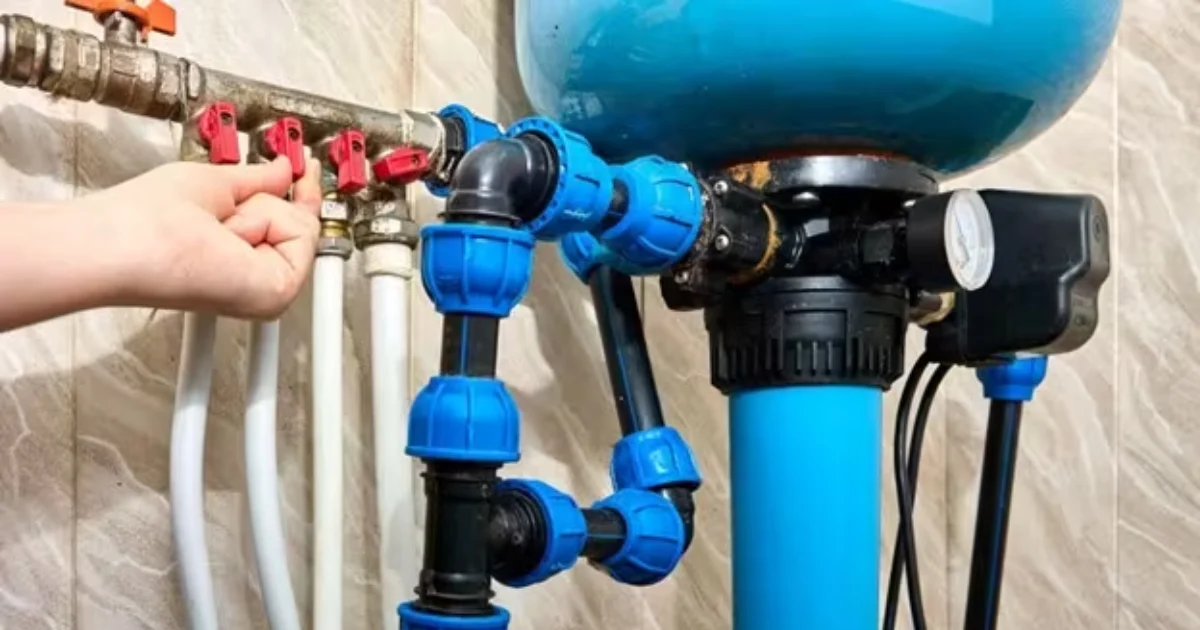
The best whole home water filtration system depends on water quality, household size, and long-term goals for safety and convenience. Each option brings distinct strengths designed for different situations.
1. Reverse Osmosis (RO) Systems
Reverse osmosis pushes water through a semi-permeable membrane to reduce dissolved solids, nitrates, fluoride, and heavy metals. It delivers a high level of purification, ideal if you want exceptionally clean water for every tap.
2. Activated Carbon Filters
Activated carbon filtration uses adsorption to capture chlorine, pesticides, herbicides, and volatile organic compounds (VOCs). It not only improves taste and odor but also provides reliable everyday drinking water quality.
3. Sediment Filters
Sediment filters remove sand, rust, and dirt particles, protecting plumbing lines and sensitive appliances. They extend the lifespan of other filters, ensuring smoother operation of your entire home water system.
4. Ultraviolet (UV) Filters
UV filters use light to neutralize microorganisms like bacteria, viruses, and protozoa. This process secures microbial safety without affecting natural taste, giving you confidence in your water supply.
5. Multi-Stage Systems
Multi-stage systems combine sediment, carbon, UV, and sometimes RO technology into one solution. They provide comprehensive coverage, giving your household consistent access to clean, safe water across all uses.
Advantages of Using Water Filtration Systems
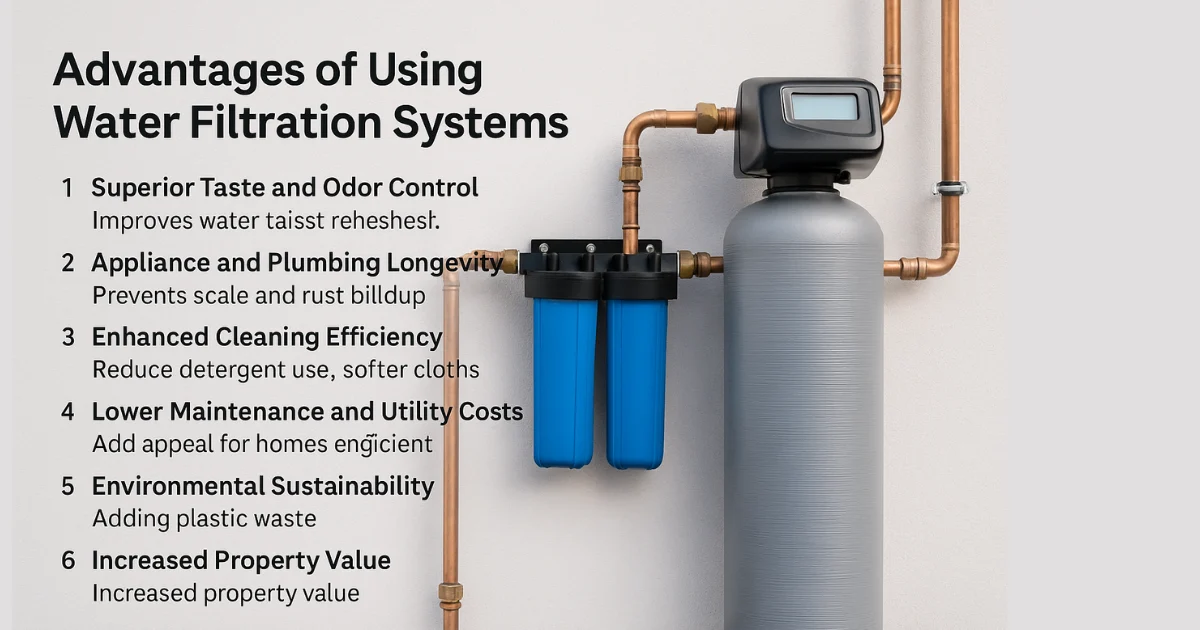
A water filtration system offers clear advantages for your home. It improves water quality, protects your investments, and gives you practical everyday benefits.
1. Superior Taste and Odor Control
When chlorine, chloramine, and organic compounds are removed, your water tastes fresher. You notice the difference immediately in drinking water, coffee, tea, and even home-cooked meals.
2. Appliance and Plumbing Longevity
Filtered water prevents scale, rust, and sediment from reaching your appliances. This keeps dishwashers, water heaters, and pipes running efficiently, saving you time, energy, and costly repairs.
3. Enhanced Cleaning Efficiency
With filtered water, clothes feel softer, dishes come out spotless, and less detergent is needed. You get cleaner results while spending less on soaps and cleaning products.
4. Lower Maintenance and Utility Costs
When buildup is reduced, appliances consume less energy. You spend less on electricity, replacement parts, and service calls. Over time, your system pays back its investment.
5. Environmental Sustainability
By using filtered water instead of bottled water, you cut down plastic waste. You protect the environment and still enjoy reliable, high-quality water at every tap.
6. Increased Property Value
Installing a whole-home system shows buyers your home is efficient and well-maintained. This adds confidence for future resale and highlights your long-term investment in quality.
Health Benefits of Water Filtration Systems
A water filtration system protects you from harmful contaminants that may enter tap water. It reduces heavy metals such as lead, arsenic, and mercury that can damage long-term health.
Removing chlorine and chloramine lowers exposure to chemical byproducts linked with skin irritation and respiratory issues. Advanced systems block bacteria, viruses, and protozoa, providing a reliable defense against waterborne illnesses.
Filtration also removes emerging toxins like PFAS (“forever chemicals”), which studies associate with cancer, fertility issues, and immune disruption. With cleaner water, you notice healthier skin, stronger hair, and fewer irritants in daily use. Every glass you drink becomes safer, contributing directly to your family’s overall well-being.
Potential Drawbacks of Water Filtration Systems
Water filtration systems bring strong benefits, but like any home upgrade, they require careful consideration. The points are not major concerns, but you should still be aware of them.
Here are some notes you should know:
- Initial Investment: Whole-home systems require professional installation and quality components. You pay more upfront, but this cost often balances with long-term efficiency and reduced bottled water expenses.
- Regular Maintenance: Filters, UV bulbs, and membranes need timely replacement. Scheduled care keeps your system efficient, protects water flow, and ensures your filtration continues to perform at peak capacity.
- Space Requirements: Some systems need a dedicated spot in your utility area. Proper placement ensures smooth operation and easy access for filter changes or professional service.
- Water Pressure Impact: Filters may reduce pressure if clogged with sediment. Routine servicing prevents this issue, maintaining consistent flow for showers, laundry, and everyday household use.
- Water Use in Filtration: Technologies such as reverse osmosis discharge a small volume of water during treatment. This is a normal process to keep your drinking water consistently pure
How Much Does a Whole Home Water Filtration System Cost?
A whole-home water filtration system usually costs between $1,000 and $4,000, depending on the technology and performance. Standard carbon filter systems are the cheapest, while advanced reverse osmosis and multi-stage systems are the most expensive.
Cost factors include filtration capacity, contaminant range, filter lifespan, and brand quality. Long-lasting cartridges often reduce annual maintenance costs. Installation also adds to the total, with professional setup ranging from $300 to $3,000, based on plumbing adjustments and system size.
While upfront expenses vary, the long-term benefits, such as improved water quality, appliance protection, and reduced bottled water use, make it a valuable investment for most households.
Is Water Filtration Systems Worth It the Investment
Yes, a water filtration system is worth the investment. It delivers consistent access to clean, great-tasting water while reducing harmful contaminants like lead, chlorine, and PFAS. The system protects your appliances and plumbing from scale, lowering long-term maintenance costs.
It also reduces your reliance on bottled water, cutting expenses and environmental impact. With healthier water at every tap, you gain peace of mind, everyday convenience, and long-term value that outweighs the initial installation cost.
Still Not Sure? Wise Water Works is Right There for You!
Worried about chlorine taste, hard water stains, or hidden contaminants in your Houston water? That’s where Wise Water Works comes in. We design custom whole-home water filtration systems built around your water test results.
Our solutions use premium components, advanced technologies, and professional installation for long-lasting performance. With decades of experience and local expertise, we know Houston’s water challenges better than anyone. Don’t wait to enjoy safer, cleaner water in every tap. Call Wise Water Works today and book your consultation.
Frequently Asked Questions
Question: How long does a whole-home water filtration system last?
Answer: Most whole-home systems last 10–20 years with proper care. Filter cartridges usually need replacing every 6–12 months, while reverse osmosis membranes and UV bulbs may last 2–3 years.
Question: Do water filtration systems remove beneficial minerals?
Answer: Some systems, especially reverse osmosis, reduce minerals like calcium and magnesium. Many units now include remineralization cartridges to restore these elements, ensuring water remains balanced and pleasant to drink.
Question: Can a water filtration system improve water pressure?
Answer: By removing sediment buildup and scale, filtration can actually maintain or improve pressure over time. Regular maintenance ensures filters don’t clog and water flow remains strong.
Question: Is professional installation necessary for whole-home filters?
Answer: Yes, professional installation ensures correct plumbing connections, safe integration with your main water line, and compliance with local codes. This also guarantees peak performance and protects your system warranty.
Question: Do filtration systems work with well water as well as city water?
Answer: Absolutely. Whole-home systems can be customized with specialty filters for well water issues like iron, sulfur, or nitrates. A water test helps determine the exact setup you need.