
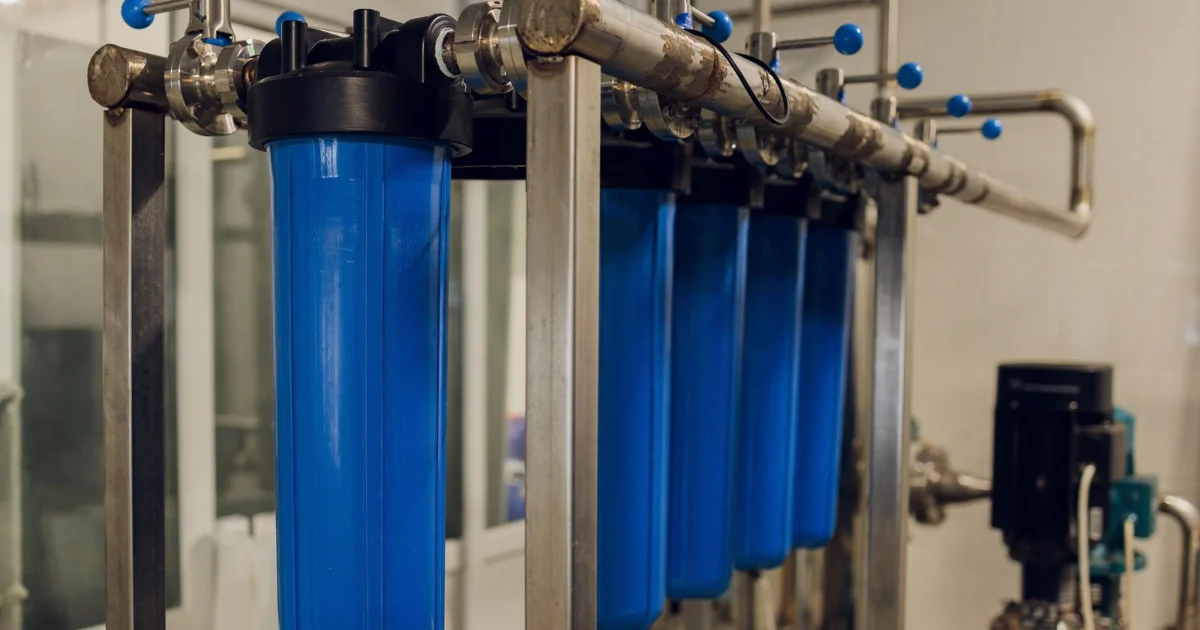
If you’re thinking about improving your home’s water quality, you’re probably wondering about the cost of a whole-house water filtration system. It’s a smart investment to get cleaner, healthier water for drinking, cooking, and daily use. But with so many options out there, you might wonder how much does a whole home water filtration system cost in Houston?
Typically, these systems range from $800 to $6,000, depending on the system type, home size, and water quality. A basic system for a small home may cost around $800 to $2,000, while more advanced systems, such as multi-stage or reverse osmosis setups, can go up to $4,000 or more.
At WiseWater Works, we’ve been in the water filtration business for over 30 years. Our team is dedicated to helping you find the right solution, with top-quality systems and expert installation that guarantees your home gets the clean water.
How Much Does A Whole Home Water Filtration System Cost?
1. Sediment Filters
A sediment filter is the most affordable system for whole-house use. You can expect to spend $400 to $800 with installation. Replacement cartridges are the essential ongoing cost.
You may need to replace them every few months. Each cartridge costs $20 to $40, adding a small but regular expense to your total budget.
2. Carbon Filters
A carbon filter for whole-house use typically costs between $800 and $1,500, including installation. This filter removes chlorine, VOCs, and bad odors from your water. You’ll need to replace the cartridges regularly because the carbon inside the filter becomes saturated.
Once it’s full, the filter can no longer effectively remove contaminants. Replacement cartridges usually cost $50 to $300 per year, depending on your water usage and filter size.
3. Water Softener
A water softener is the essential solution for Houston’s hard water, eliminating issues like stains, soap scum, and appliance-damaging scale buildup. A whole-house system typically costs between $1,200 and $3,000, including professional installation, with the final price depending on your home’s size.
Ongoing costs are primarily for salt, usually around $60 to $120 per year. This investment protects major appliances like water heaters and dishwashers from costly scale damage, saving you significant money on future repairs.
4. Ultraviolet (UV)
A UV filter for whole-house use typically costs between $500 and $1,500, including installation. It uses ultraviolet light to kill bacteria, viruses, and other microorganisms in your water.
Operating costs are low. You’ll spend around $20 to $60 per year on electricity.
You’ll need to replace the UV lamp every 12 to 18 months, costing $30 to $80. Maintenance is minimal, just cleaning the quartz sleeve annually, which costs about $30 to $50
5. Oxidation / Chemical Injector
If you’re dealing with iron, sulfur, or rotten egg smells in your water, a chemical injector could be your perfect solution. Expect to spend $600 to $1,500 for the system and installation.
Operating costs are manageable, usually between $50 and $200 per year for chemicals like chlorine or hydrogen peroxide. It’s a straightforward way to deal with tough contaminants without breaking the bank.
Maintenance is simple but important. You’ll replace parts like the injection pump or valves, and that can cost around $100 to $300 annually.
6. Well Water Filters
If you’re using well water, it’s important to install a specialized filtration system. The cost for a well water filter typically ranges from $1,000 to $4,000, including installation.
Ongoing costs are generally $50 to $200 per year for filter replacements and any chemicals needed to treat contaminants like iron, sulfur, or manganese.
Maintenance is key to keeping the system running smoothly. You’ll spend $100 to $300 annually on things like cleaning, replacing parts, or servicing the system.
7. Hybrid / Multi-Stage Systems
A Hybrid / Multi-Stage System combines several filtration methods to provide the most thorough water treatment. These systems typically cost between $1,200 and $3,500 for basic models, and up to $4,000 to $8,000 for advanced setups with features like water softening, UV sterilization, and reverse osmosis.
Ongoing maintenance costs vary. Expect to spend $100 to $300 per year on things like filter replacements, servicing UV lights, or adding salt for the water softener.
Major Factors Influencing The Whole Home Water Filtration System Cost
Your home size and water flow rate are crucial factors in determining the cost of a whole-home water filtration system. Larger homes or higher water demands mean higher system costs.
Home Size & Flow Rate | Cost Range |
Small Home (1–2 bathrooms) | $800 to $2,000 |
Medium Home (3–4 bathrooms) | $1,500 to $3,500 |
| Large Home (5+ bathrooms) | $3,000 to $6,000+ |
Water Source & Quality
If your water comes from the municipal supply, a basic filtration system will likely cost between $800 and $2,000.
But if you’re on well water, you may face higher costs due to contaminants like iron and sulfur, pushing prices to $1,500 to $4,000. For highly contaminated water, specialized systems can cost $3,000 to $5,000+.
Plumbing Modifications
Plumbing modifications can increase your costs. For homes with accessible pipes, installation typically ranges from $800 to $2,000. However, when pipes are hidden behind drywall or in hard-to-reach areas, costs can rise to $2,500 to $5,000. Complex modifications, like rerouting pipes or cutting through walls, add both labor and material expenses.
Permitting & Local Regulations
Permitting costs vary depending on your location. In most areas, you’ll pay between $50 and $500 for permits.
Local building codes and regulations can also impact the complexity of the installation. Some cities may require inspections, which can add to the overall cost. Be sure to check local requirements to avoid unexpected fees.
Labor Costs (Location-Based)
Labor costs in Houston, Texas, typically range from $75 to $150 per hour. In more affordable neighborhoods, you might find rates closer to $75 to $100 per hour. However, in areas with higher demand for plumbing services, rates could reach up to $150 per hour.
Installation Complexity
The complexity of your installation directly impacts the cost. For example, if the job is simple, say, installing a filter with easy access to the pipes, it might cost $800 to $2,000. However, if you need to cut through walls, reroute pipes, or add electrical work for advanced systems, costs can increase to $2,500 to $6,000 or more.
Additional Costs to Consider for installing a whole home water filtration system
When installing a whole-home water filtration system, there are some additional costs to keep in mind. These can vary depending on your water quality, system complexity, and the setup of your home.
- Water Testing: Water testing helps identify contaminants in your water. Expect to pay $20 to $250 for testing, depending on whether you use a DIY kit or a professional lab service.
- Accessories: Valves, fittings, and connectors are essential for installation. These accessories typically cost between $25 to $200, depending on the complexity and type of system being installed.
- Electrical Work if Needed: If your system requires electrical work, like for UV or RO systems, costs can range from $100 to $300 for basic wiring, and up to $500 or more for more complex installations.
Whole-House Water Filtration System Ongoing Costs
Once installed, a whole-house water filtration system requires ongoing costs for filter replacements, maintenance, and energy usage. Here’s what you can expect.
Filter Replacements
Filter replacements are an ongoing cost. For basic systems, you’ll spend $20 to $50 every 6 months.
If you have a more advanced system, like a multi-stage or reverse osmosis filter, replacements can run between $100 and $300 annually. Regular replacements keep your system running smoothly and your water quality high.
These consistent maintenance efforts can actually pay off when you sell your home. Learn how proper filtration upgrades can increase property value in our in-depth guide – Does a Water Filtration System Increase Home Value?
Annual Maintenance Costs
Annual maintenance keeps your system in top shape. Simple systems may cost $50 to $100 per year for basic checks and cleaning. If your system includes UV or softening features, you could pay $150 to $300 for more extensive maintenance. Regular service prevents costly repairs down the road.
Energy Use (for RO & UV)
Systems like reverse osmosis (RO) and UV filters use electricity to function. Expect to pay about $20 to $60 annually for energy costs. While UV systems use less power, reverse osmosis systems can use more, especially if you’re filtering a lot of water. This is an important cost to consider for energy efficiency.
DIY Vs Hiring a Pro for Water Filtration Installation
Deciding whether to install your water filtration system yourself or hire a pro depends on your comfort level with plumbing and the complexity of the job. Here’s how to decide:
Choose DIY Installation if:
- You’re comfortable with basic plumbing and have the right tools.
- The system is straightforward (like a simple sediment or carbon filter).
- You want to save on labor costs.
- The installation area is easily accessible.
Choose Professional Installation if:
- The system requires advanced plumbing or electrical work (e.g., reverse osmosis or UV systems).
- Your plumbing is hidden or in hard-to-reach areas.
- You prefer a warranty and guarantee on the installation.
- You want to avoid costly mistakes and ensure long-term system performance.
Even if you decide to hire an expert, reading our installation guide for whole home water filtration systems gives you a clear idea of what to expect from the process and helps you communicate better with your installer.
Is a Home Water Filtration System Worth It?

Yes, a home water filtration system is worth it for most households. It ensures clean, safe water for drinking, cooking, and bathing.
Think about it, cleaner water means better health for you and your family. A good filtration system removes contaminants like chlorine, lead, and bacteria that can affect your health. It also protects your plumbing and appliances from damage caused by hard water.
Over time, you’ll even save money by cutting back on bottled water. If you’re looking to improve your water quality, a filtration system is a solid investment.
How to Save Money When Installing a Whole-House Water Filtration System
- Get multiple quotes from different companies to compare prices and services.
- Install the system yourself if it’s a simple setup and you have the tools.
- Choose a DIY-friendly system with easy-to-replace filters.
- Look for package deals or discounts on systems and installation services.
- Buy the system yourself and only pay for installation to avoid markups.
In Closing
The cost of installing a whole-house water filtration system varies based on factors like system type, home size, and water quality. Whether you opt for a simple sediment filter or a more advanced multi-stage system, investing in clean water pays off in the long run. At WiseWater Works, we offer tailored solutions that fit your home’s specific needs.
Ready to improve your water quality? Contact us today for a consultation and let our experts guide you toward the perfect system for your home.
Frequently Asked Questions
How long does it take to install a whole-house water filtration system?
Installation typically takes 2 to 6 hours, depending on the system’s complexity and your home’s plumbing. Simple systems can be done quickly, while more complex setups may require extra time for plumbing modifications.
What type of filtration system is best for well water?
For well water, a multi-stage or hybrid filtration system is ideal. These systems handle contaminants like iron, sulfur, and bacteria, providing comprehensive treatment.
Can I install a whole-house water filtration system myself?
Yes, you can install a simple system yourself if you’re comfortable with basic plumbing. However, complex systems may require professional installation for optimal performance.